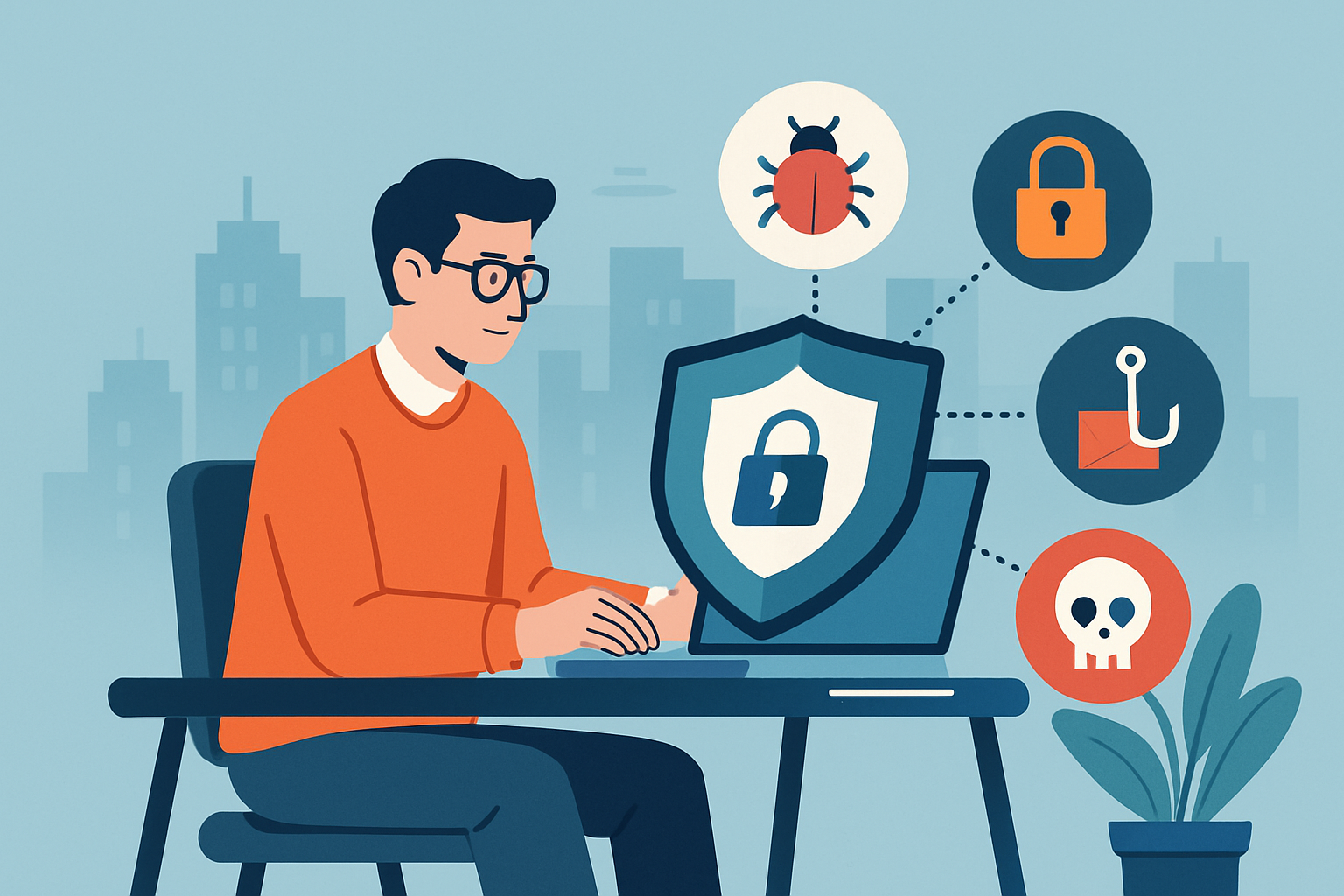
Let’s be real—if you’re running a small business today, you’re likely doing a big chunk of it online. From handling customer data to processing payments, your digital presence is your lifeline. But what happens when that lifeline gets hacked?
Cyber threats aren’t just for the big guys anymore. In fact, small businesses are becoming the favorite targets of hackers. Why? Because they’re often the least protected and easiest to breach.
Imagine this: You wake up, check your systems, and all your files are encrypted with a ransom demand staring you in the face. That’s not science fiction. That’s 2025.
So, do you really need cyber insurance? Let’s dive in.
What is Cyber Insurance?
Definition and Purpose
Cyber insurance (or cyber liability insurance) is designed to help your business recover financially from digital threats like data breaches, hacking, ransomware, and other cybercrimes.
Think of it as a digital safety net—when your systems get compromised, this policy catches your fall.
How It Differs from General Liability Insurance
General liability insurance protects against physical accidents or property damage. But when a hacker locks you out of your systems or leaks your customers’ personal data, that’s way out of general insurance territory. Cyber insurance fills that gap.
The Growing Threat of Cyber Attacks
Common Cyber Threats Targeting Small Businesses
-
Phishing scams through emails
-
Ransomware attacks locking your data
-
Insider threats from employees
-
Credential theft via weak passwords
Stats That Paint a Grim Picture
-
43% of cyberattacks target small businesses.
-
Only 14% of them are prepared to defend themselves.
-
The average cost of a small business breach? Over $200,000.
Why Small Businesses Are Prime Targets
Hackers see small businesses as low-hanging fruit. Less security, more access to personal data = easy payday.
What Does Cyber Insurance Cover?
Data Breaches and Recovery
Covers the cost of recovering data, investigating breaches, and restoring systems.
Business Interruption Losses
If your business goes offline, insurance helps cover lost revenue during downtime.
Legal Costs and Regulatory Fines
You may be sued or fined if customer data is leaked. Cyber insurance helps pay the bill.
PR and Reputation Management
Your brand’s reputation takes a hit after a breach. Cyber insurance can cover PR services to restore public trust.
What Cyber Insurance Doesn’t Cover
Acts of War or Terrorism
Cyberattacks tied to acts of war often fall outside coverage.
Physical Property Damage
If your server room catches fire—sorry, not covered by cyber insurance.
Prior Breaches or Unreported Issues
Pre-existing problems or hidden past breaches? Insurers might refuse to pay up.
Benefits of Cyber Insurance for Small Businesses
Peace of Mind
Sleep better knowing that you have a financial backup plan in case of a digital disaster.
Cost Management During Crises
Data recovery, legal fees, customer notification—it adds up fast. Insurance helps handle the costs.
Compliance and Trust Building
Having a cyber policy shows customers and partners that you take security seriously.
Real-World Examples of Cyber Insurance in Action
-
A small retail shop in Texas recovered $150,000 in ransomware payments thanks to their policy.
-
A dental clinic avoided regulatory fines by having cyber coverage for HIPAA violations.
How Much Does Cyber Insurance Cost?
Factors Affecting Pricing
-
Industry type (healthcare and finance = higher risk)
-
Size of business and revenue
-
Amount of sensitive data handled
Average Cost Breakdown
Most small businesses pay between $750–$2,500/year, depending on coverage.
How to Choose the Right Cyber Insurance Policy
Evaluating Your Risk
Understand your digital footprint—how much data you collect, store, and protect.
Comparing Providers
Don’t settle for the first offer. Get multiple quotes, read reviews, and check claim response times.
Reading the Fine Print
Watch for exclusions and limits. Ask: What exactly is covered, and what’s not?
Cybersecurity Best Practices (Even With Insurance)
Employee Training
Your staff is the first line of defense. Teach them how to spot phishing and use strong passwords.
Firewalls and Encryption
Invest in good software to protect your data from leaks and snooping.
Regular Updates and Backups
Outdated software is hacker heaven. Keep everything patched and backed up offsite.
Legal and Compliance Aspects
Industry-Specific Regulations
Healthcare, finance, and education industries often have mandatory cybersecurity regulations.
GDPR, HIPAA, and More
If you handle international or health data, cyber insurance can help meet compliance requirements.
Common Myths About Cyber Insurance
“I’m Too Small to Be Targeted”
Nope. Hackers often prefer small businesses because they’re easier to breach.
“My IT Guy Handles Everything”
Your IT team is vital—but they can’t guarantee immunity from every threat. Insurance adds another layer of defense.
When You Should Consider Getting Covered
Warning Signs
-
You handle sensitive customer data
-
You use cloud storage or e-commerce platforms
-
You’ve already had a breach or near-miss
Timing and Planning
The best time to get cyber insurance? Before a breach happens—not after.
The Future of Cyber Insurance
Evolving Risks
As tech advances, so do threats. AI-generated attacks and deepfakes are already on the radar.
AI and Policy Underwriting
Expect AI tools to assess risk more accurately, tailoring policies to each business.
Conclusion
Let’s be honest: ignoring cyber insurance today is like driving without a seatbelt. You might get away with it… until you don’t.
Cyber insurance isn’t just a “nice to have”—it’s becoming a necessity in a world where digital attacks are constant and costly. Whether you’re a bakery using cloud-based point-of-sale systems or a local law firm storing sensitive client data, having coverage can be the difference between bouncing back or shutting down.
FAQs
1. What size business needs cyber insurance?
Any business—big or small—that uses digital tools, collects data, or operates online should consider cyber insurance.
2. Can cyber insurance help after a ransomware attack?
Yes. It often covers ransom payments, system restoration, and associated downtime losses.
3. Is cyber insurance required by law?
Not usually, but some industries (like healthcare or finance) may need it for regulatory compliance.
4. Can cyber insurance improve customer trust?
Absolutely. Clients feel more secure knowing their data is protected under a formal insurance policy.
5. Does cyber insurance cover third-party vendors?
Some policies do. Always check the fine print to see if third-party breaches are included.